What Are Hotel Amenities and Why They Matter
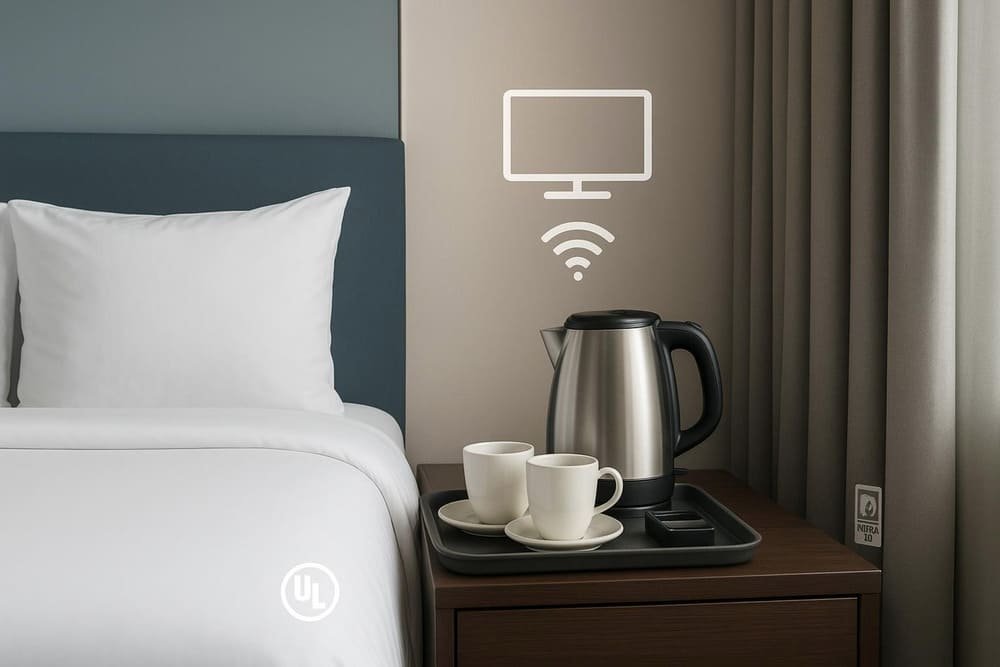
Hotel amenities are the features, services, and facilities a property offers beyond the bare essentials of a bed and bathroom—designed to raise comfort, convenience, enjoyment, and perceived value.
Trade sources echo this operational view: amenities are value-adding offerings that sit outside the baseline and shape guest experience and competitiveness.
This framing aligns with procurement work because every amenity must be specified, sourced, and maintained to meet brand and regulatory standards.
Industry perspectives from procurement and event platforms reinforce the definition and breadth of the term; see the amenity overviews by Source1 Purchasing and Cvent for context in hospitality practice (procurement view from Source1 Purchasing; amenity concept and ideas via Cvent).
Rating frameworks and trade commentary also place amenities at the heart of competitive positioning and guest expectations (HospitalityNet on amenities’ impact; SiteMinder on room amenities expectations).
Why Hotel Amenities Drive Guest Satisfaction and Reviews
When guests feel their needs are anticipated—fast Wi-Fi, comfortable linens, a kettle or coffee maker that works, blackout curtains—they notice.
Amenities set expectations by tier and brand, and consistent delivery shows up in NPS and review sentiment.
Trade consensus is clear that amenities influence satisfaction, loyalty, and even revenue, though it’s wise not to overstate exact causal coefficients.
Consider the operational pattern highlighted by industry commentary: strong, standardized amenity programs correlate with better experiences and competitive outcomes (HospitalityNet’s perspective on satisfaction and loyalty).
Star-rating contexts underline the same point—amenities and facilities are core criteria, so gaps quickly become review drivers (SiteMinder’s guidance on classifications).
From a procurement lens, the path to higher satisfaction is practical: convert guest expectations into specs, set KPIs that track delivery (defect rate, replenishment rate, amenity-related complaint rate per 1,000 room nights), and build supply reliability. That’s how amenities translate into measurable performance.
Hotel Amenities Categories and Examples
In-room amenities
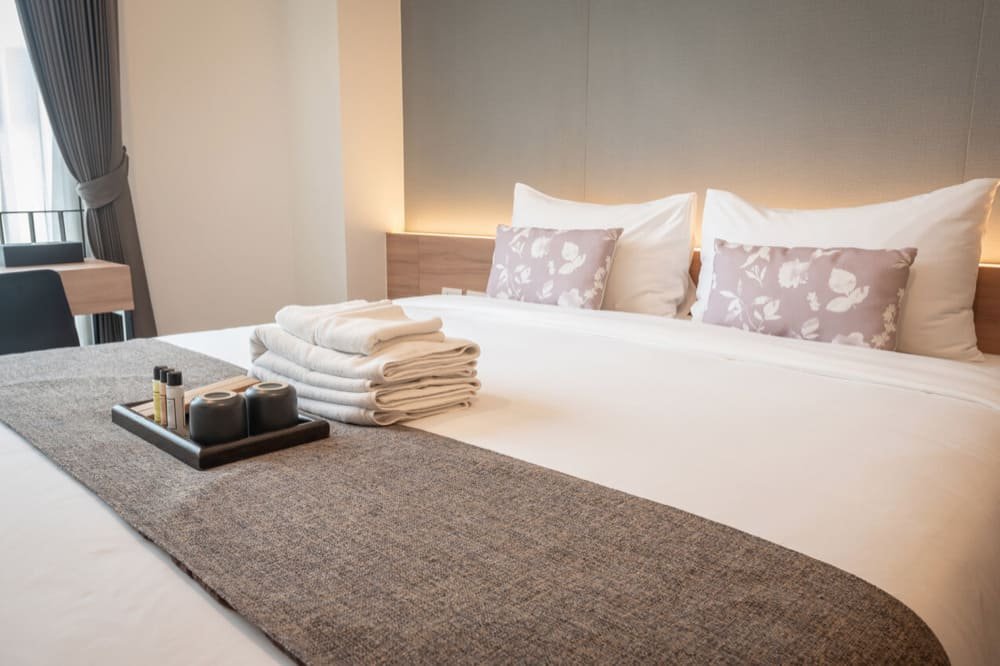
The in-room amenities layer covers comfort and convenience items guests interact with most:
- premium bedding and linens
- towels and toiletries
- kettle/coffee maker
- minibar or fridge
- closet with hangers
- iron/ironing board
- desk and ergonomic chair
- in-room safe
- hair dryer
- blackout curtains
- and increasingly smart controls or tablets
Upscale tiers add:
- pillow menus
- turndown service
- branded toiletries
Trade roundups help map expectations across tiers:
Procurement Points:
- Standards & specs: Define textile specs (e.g., GSM, fiber content) for linens; require NFPA 701 evidence for draperies/blackout curtains; ensure kettles, hair dryers, and irons carry a Nationally Recognized Testing Laboratory mark (UL or ETL) where applicable.
- Materials & durability: Specify weave density and stitching for sheets and towels to control wear and replacement cycles; choose robust housings and overheat protection on small appliances; use durable dispenser hardware for refillable toiletries to reduce breakage.
- Compliance, logistics & replenishment: Set par levels and reorder points for consumables; confirm export packaging standards for fragile items; plan lead times (often 4–8 weeks for custom-branded OS&E). Keep documentation on hand (COA for toiletries, NFPA 701 certificates, NRTL listings).
Disclosure: ChinaBestBuy is our product. In practice, partners like ChinaBestBuy can help consolidate factory-vetted sourcing for in-room textiles and small electrics, provide NFPA 701 and UL/ETL documentation, and coordinate logistics.
The goal is simply to make specs and compliance easier to execute across properties.
Wellness and recreation amenities
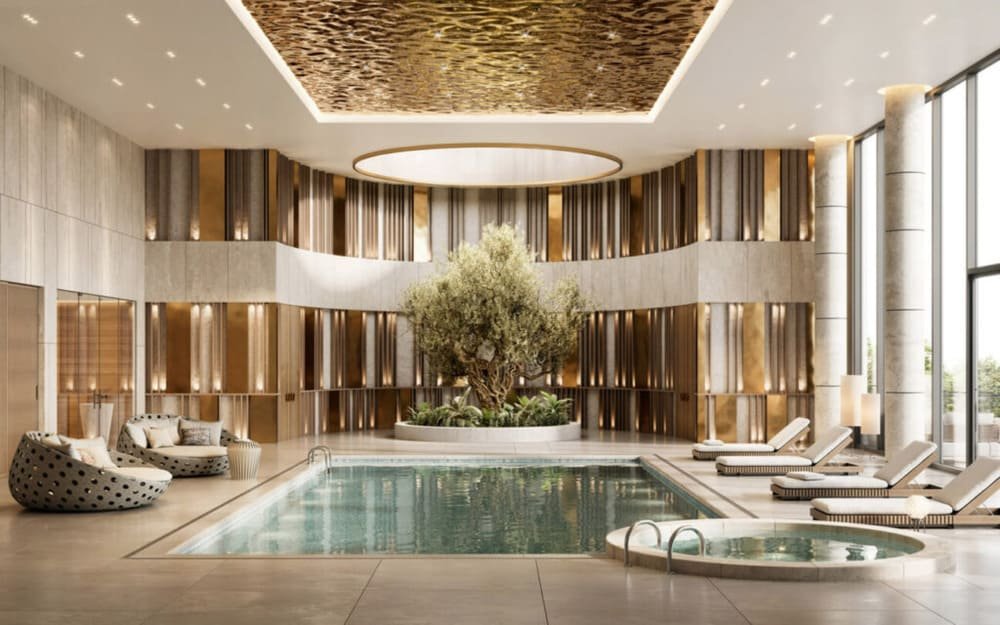
Facilities such as pools, hot tubs, saunas, fitness centers, and spa treatment rooms raise the property’s wellness profile.
Family-friendly options (kids’ clubs, resort activities) and in-room touches (robes, slippers, yoga mats on request, air purification) add value.
Guests often judge by both availability and upkeep—cleanliness, working equipment, and thoughtful details (HospitalityNet opinions on amenity importance).
Procurement Points:
- Standards & specs: Define equipment grades for fitness gear; set towel and robe specs (fiber, GSM); require anti-slip flooring and appropriate surface certifications in wet areas.
- Materials & durability: Favor corrosion-resistant fixtures and finishes around pools/spas; choose high-wash durability textiles; specify replaceable components for gym machines to extend service life.
- Compliance, logistics & replenishment: Align with local health and safety codes for pools/spas; plan maintenance kits and consumables (filters, chemicals) with reliable lead times; set par levels for robes/slippers with clear laundering protocols.
Technology and connectivity amenities
Connectivity shapes modern expectations: high-speed Wi-Fi, smart TVs with streaming or casting, extra outlets/USB charging, in-room tablets, mobile check-in/out, and keyless entry.
Business travellers rely on uptime and bandwidth, while leisure guests value intuitive interfaces.
Classification and trend sources chart the evolution of tech amenities across tiers (SiteMinder’s guest experience trends; HospitalityNet tech adoption narratives).
Procurement Points:
- Standards & specs: Set minimum Wi-Fi speeds and coverage thresholds; require casting compatibility (Chromecast/AirPlay) and clear content licensing; specify secure digital key solutions with audit trails.
- Materials & durability: Choose commercial-grade networking hardware; favor TVs and tablets with robust housings and serviceable components; plan for firmware update support.
- Compliance, logistics & replenishment: Ensure electronic devices carry appropriate safety listings (UL/ETL via NRTL programs) and comply with local electrical codes; schedule rollouts with buffer for installation; maintain spares inventory for remotes, chargers, and access cards.
Food and beverage amenities
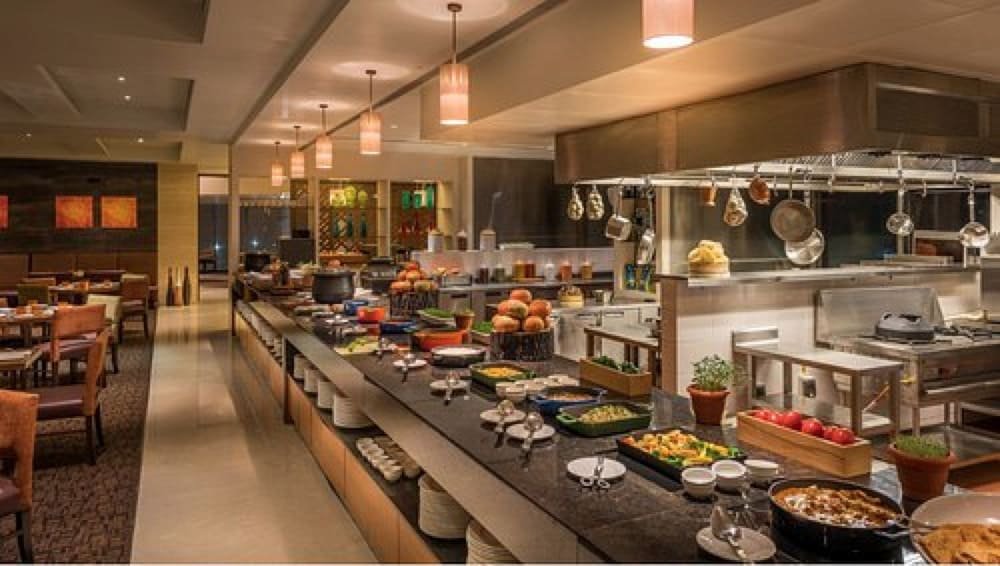
F&B amenities span complimentary breakfast, on-site restaurants and bars, room service, club lounges, happy hours, tasting events, and in-room kits (minibar, coffee/tea, bottled water).
Selection and consistent execution drive perceived value; quality basics (freshness, safe handling) are non-negotiable.
Trade guides compile ideas and procurement angles (Source1 Purchasing on amenity programs; Cvent on minibars and F&B).
Procurement Points:
- Standards & specs: Set product specs (ingredient declarations, net weights), require batch COA for private-label items; define equipment specs for F&B prep and storage (NSF/food-grade standards where applicable).
- Materials & durability: Select durable chinaware and glassware with acceptable breakage rates; choose reliable dispenser and refrigeration hardware; specify packaging resilience for transit.
- Compliance, logistics & replenishment: Align with food safety regulations; plan cold chain logistics and shelf-life management; define reorder cadences and par levels to prevent stock-outs without waste.
Property services and logistical amenities
Front-of-house and support services—24-hour front desk, concierge, bell/valet, luggage storage, shuttle, parking/EV charging, pet-friendly programs, accessible rooms, and business/event spaces—round out the guest journey.
Guests expect availability and smooth execution, especially in higher tiers.
Classification resources underscore how these amenities factor into ratings (SiteMinder classifications).
Procurement Points:
- Standards & specs: Define shuttle capacity and maintenance standards; specify EV charger types and power ratings; set AV equipment requirements for meeting rooms.
- Materials & durability: Choose cart hardware (bell/luggage) with heavy-duty frames; select durable upholstery and flooring in high-traffic areas; specify weather-resistant finishes for exterior fixtures.
- Compliance, logistics & replenishment: Ensure accessibility features meet ADA expectations (mobility and communication); plan service parts inventories for shuttles and chargers; align signage and wayfinding with local codes.
Compliance That Shapes Amenities Procurement
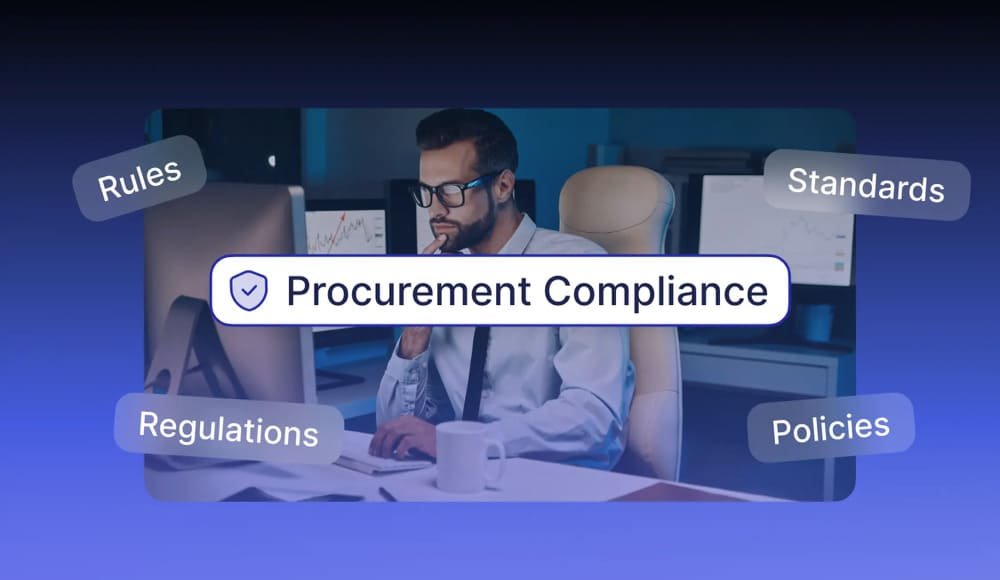
Because hotel amenities intersect with public accommodations and safety, amenities procurement must bake compliance into specs and supplier selection.
- Accessibility: Hotels are public accommodations under ADA Title III. The DOJ’s lodging guide details accessible rooms, distribution by room type, reservation system rules, and effective communication requirements. Procurement should ensure accessible features and disclosure are part of amenity planning (DOJ ADA lodging guide; Title III overview).
- Textile flammability: Draperies and other hanging textiles commonly must meet NFPA 701 flame propagation criteria. Request certificates from manufacturers or acceptable labs and verify local acceptance (NFPA 701 overview; technical summary context).
- Electrical safety: Small appliances and electrified amenities should carry listings from an OSHA-recognized Nationally Recognized Testing Laboratory (UL or ETL) and comply with local electrical code. OSHA’s program explains acceptance of listed marks and factory surveillance (OSHA NRTL FAQs).
Turning Satisfaction Goals Into Specs and KPIs
Here’s the practical bridge from guest expectations to procurement execution:
- Translate expectations into specs: If reviews mention slow Wi-Fi, set a minimum speed and coverage spec. If linens feel scratchy, define GSM, fiber content, and weave standards. If kettles fail, specify NRTL-listed models with thermal cutoffs.
- Track the right KPIs: Monitor defect/nonconformance rates (critical/major/minor), amenity-related complaint rate per 1,000 room nights, replenishment rates, OTIF, and cost per occupied room (CPOR). These metrics tie amenity programs to satisfaction and cost control.
- Close the loop operationally: Use par levels and reorder points to avoid stock-outs, schedule preventive maintenance for tech and small appliances, and audit rooms for amenity compliance.
When you connect specs to KPIs, you can ask sharper questions:
- Which amenity drives the most complaints?
- Which supplier’s defect rate stays lowest over time?
- Is a slightly higher GSM towel lowering replacement cycles enough to reduce CPOR?
Amenity Selection Mini Checklist
- Define the amenity’s role in guest satisfaction (who benefits and at what touchpoint?).
- Write minimum specs and test requirements (e.g., NFPA 701 for drapery; UL/ETL listing for small electrics).
- Confirm brand standards and tier-appropriate expectations.
- Validate materials for durability (textiles GSM, hardware grade, finishes).
- Require supplier documentation (certificates, COA, warranties, instructions).
- Plan compliance for accessibility , safety, and labeling where applicable.
- Set par levels, reorder points, and lead times; confirm MOQs.
- Model total cost of ownership (CPOR, replacement cycle, maintenance).
- Establish KPIs and a feedback loop (defect rate, complaint rate, OTIF).
- Align logistics and installation plans (packaging, warehousing, rollout sequencing).
Hotel amenities are more than a list; they’re an execution challenge that ties guest satisfaction to specs, suppliers, and on-property processes.
Procurement teams that make standards explicit, request the right certificates, and track performance put their properties in a stronger position to earn better reviews—consistently.