10 Hotel Room Decoration Ideas for 2026 That Pay Back Fast
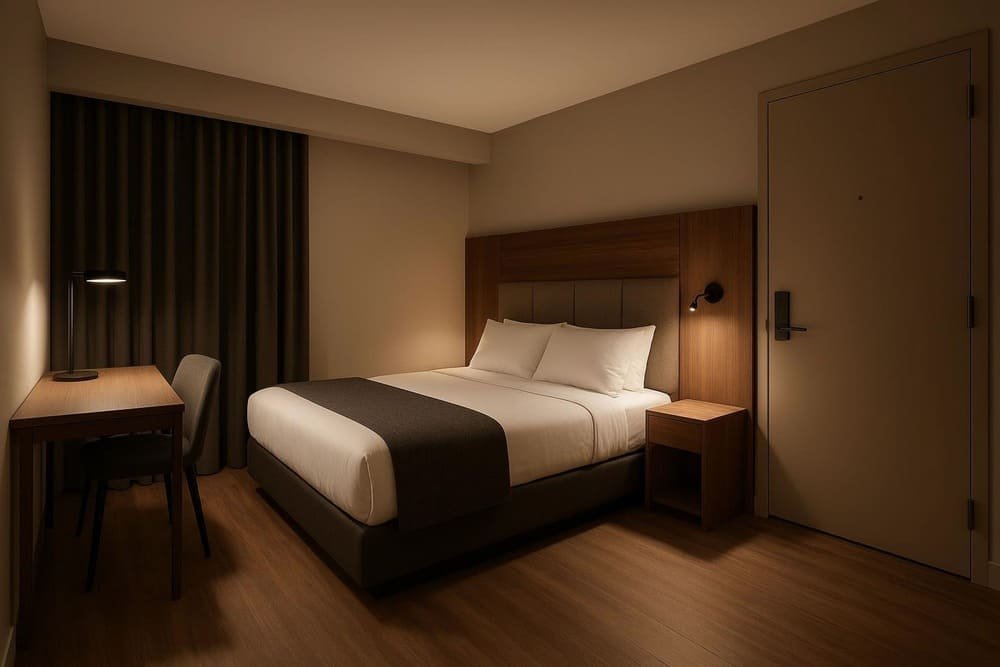
Mid-scale business hotels live and die by refresh cycles. If you need hotel room decoration ideas that look better, cost less to maintain, and can be installed with minimal downtime, this 2026 guide is for you.
Each idea below includes what it is, why it pays back, what to specify, sourcing notes, and risks with QC tips—plus sleep comfort, low-glare lighting, and low-odor materials.
How we chose these hotel room decoration ideas
We prioritized upgrades that balance guest-visible impact and feasibility.
Our selection criteria and weights: guest experience and RevPAR defense (25%), maintenance and lifecycle cost reduction (25%), energy and water efficiency potential (20%), compliance readiness and ease of specifying (15%), and retrofit feasibility with short downtime (15%).
Rising operating and utility costs through 2025–2026 make discipline on payback essential, so every idea includes what to measure before and after.
Low-VOC bedding and blackout curtains for better sleep

What: Replace tired textile packages with hospitality-grade bedding, pillows, and full-length blackout curtains that block light leaks and stand up to frequent laundering.
Why (ROI): Fresher rooms with better sleep scores reduce complaints and increase repeat intent. Durable, laundry-friendly fabrics extend textile life and cut replacement frequency. Low-odor components improve first-impression IAQ.
What to specify: Target low emissions and harmful-substance control for foams and textiles; align composite wood in headboards or valances to EPA formaldehyde limits. EPA details the TSCA Title VI framework for composite wood emissions and compliance labeling in the United States—see the agency’s overview in the formaldehyde in composite wood products pages.
Sourcing notes: Compare factory-made linen packs for per-key cost advantages, regional distributors for faster replenishment, and branded commercial lines for warranty and consistency across a flag.
Risks & QC: Request third-party certificates for foam and textiles, launderability tests, colorfastness results, and flammability documentation as required locally. Approve a room mockup, then spot-check a random sample by lot on delivery.
Fire-rated decorative wall panels for fast visual upgrades
What: Pre-finished decorative wall panels to refresh headwalls and accent zones without lengthy wet trades. Choose wood-look, fabric-look, or solid color laminates with concealed fixings.
Why (ROI): Immediate visual uplift, fewer repaint cycles, faster room turns, and better cleanability. Panels resist scuffs and housekeeping wear compared with painted gypsum.
What to specify: For U.S. projects, require surface burning characteristics meeting ASTM E84 Class A (Flame Spread Index 0–25; Smoke Developed Index up to 450). The definition is summarized in USG’s Class A interior finish guidance. In EU contexts, aim for EN 13501-1 B-s1,d0. Use low-VOC adhesives and verify substrate emissions for IAQ.
Sourcing notes: Consider pre-certified panel lines from experienced OEMs for value engineering, regional distributors for quick small-batch needs, or brand-standard programs for guaranteed finishes. Disclosure: ChinaBestBuy is our product—when you need coordinated, pre-tested finishes with export QC, explore ChinaBestBuy alongside regional distributors and brand-approved vendors.
Risks & QC: Distinguish reaction-to-fire (E84, EN 13501-1) from assembly fire resistance (e.g., ASTM E119) in documentation. Verify original test reports by sample code, substrate, adhesive, and mounting method; require mockup adhesion tests and on-site alignment checks.
Durable easy-clean LVT or SPC flooring in guest rooms
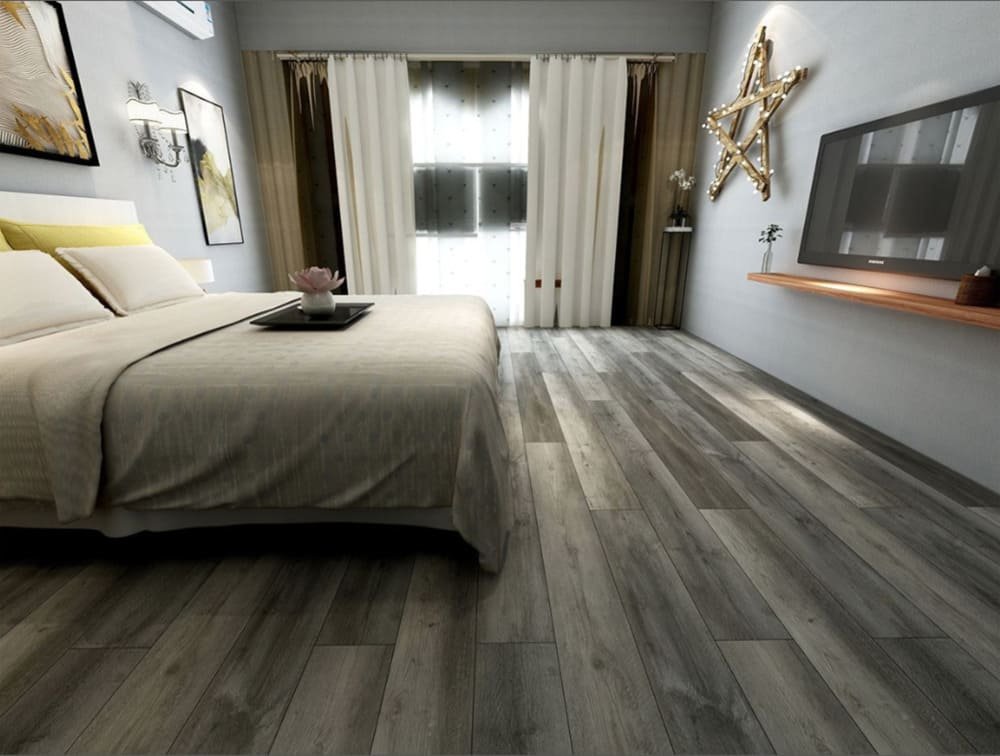
What: Replace stained carpet with commercial LVT or SPC plank flooring and a soft area rug where brand allows.
Why (ROI): Lower cleaning and stain-replacement costs, fewer odors, and faster turnovers after accidents. Proper wear layers extend lifecycle, reducing capex spend over five to seven years.
What to specify: LVT wear layer 20–28 mil for guestrooms; SPC thickness around 4–6 mm with high-quality click or glued systems. Target EN 660-2 wear group T and commercial use classes 33–34 where applicable. Specify manufacturer-declared abrasion performance and commercial warranty terms.
Sourcing notes: Factory-direct programs offer strong per-key pricing when buying at scale; regional wholesalers reduce lead time for partial-floor replacements; brand-approved SKUs simplify PIP reviews.
Risks & QC: Enforce substrate flatness tolerances, confirm acclimation time, and check expansion gaps and transitions. In wet areas, ensure slip resistance per local standards and proper waterproofing details.
Grade 1 entry hardware and serviceable locks
What: Upgrade guest entry sets and hinges to commercial Grade 1 with finishes that resist corrosion and show less wear. Ensure electronic locks have replaceable components and accessible firmware support.
Why (ROI): Fewer lockouts and maintenance calls, longer hardware life, and better guest confidence. High-cycle hardware reduces replacement frequency, a quiet but meaningful budget saver across hundreds of doors.
What to specify: For cylindrical locks, ANSI/BHMA A156.2 Grade 1 means 1,000,000 cycle durability with abuse and operational force tests. BHMA summarizes the Grade 1 benchmarks in its Hardware Highlights for A156.2. Call for Grade 1 hinges and stainless or PVD finishes in coastal or high-humidity markets.
Sourcing notes: Choose OEMs with hospitality firmware support and spare-part availability; regional locksmith partners help with commissioning and key control; brand programs ensure PMS integration.
Risks & QC: Run cycle tests on a sample set, verify finish salt-spray or corrosion results, and document successful PMS integration before broad rollout.
Practical acoustic gains with seals and headwalls
What: Reduce sound transfer by sealing perimeter gaps, installing drop seals at doors, upgrading threshold details, and adding damped headwall layers where feasible.
Why (ROI): Lower noise complaints improve sleep scores and online ratings. Better assemblies also reduce the temptation for costly room swaps.
What to specify: Aim for partitions around STC 50–55 between rooms and STC 60+ near noisy adjacencies. Doors should target STC 30–35 with perimeter and drop seals; floors should reach IIC 55–60 with underlay. Practical hotel targets and field notes are discussed in the Commercial Acoustics hotel soundproofing guide.
Sourcing notes: Acoustic contractors can handle complex conditions; for lighter scopes, procure seal kits and drop seals through vetted distributors; prefab acoustic headwall kits can accelerate schedule.
Risks & QC: Require continuous acoustic sealant at perimeters and penetrations; avoid back-to-back electrical boxes; spot-check with simple sound checks post-install or commission field tests where justified.
Low-glare layered lighting with warm dimming

What: Retrofit to low-UGR task lights at the desk and bedside, add dimmable warm ambient layers, and keep a low-level night path.
Why (ROI): Lower energy and replacement costs with LED, plus better guest comfort and fewer glare complaints. Warmer evening scenes support relaxation and sleep readiness.
What to specify: Target UGR 19 or lower for task and general light, with 2700–3000 K ambient CCT and higher CCT only where task-appropriate.
Sourcing notes: Commercial hospitality lines offer low-glare optics and consistent CCT bins; regional distributors can stage phased retrofits; brand programs often list approved SKUs.
Risks & QC: Check photometric files for UGR and beam spread, perform driver burn-in tests, and verify dimming compatibility with existing controls.
Water-saving bathroom fixtures and simple surface refresh
What: Swap in WaterSense-labeled bathroom fixtures and refresh vanities with non-porous surfaces such as quartz or solid-surface to reduce staining.
Why (ROI): Lower water and energy for hot water with paybacks often inside two years for faucets and showers in typical occupancy patterns; non-porous tops cut housekeeping time and chemical use.
What to specify: Toilets at 1.28 gpf, bathroom faucets at 1.2–1.5 gpm, and showers at 2.0 gpm or less; ensure performance testing and certification are in place. The EPA WaterSense product specifications outline flow limits and certification.
Sourcing notes: Commercial plumbing suppliers maintain compliant stock for rapid swaps; national brands aid warranty and parts; factory pre-cut vanity tops accelerate room turns.
Risks & QC: Flow and pressure test at design PSI, confirm proper mounting and sealing, and train housekeeping to avoid aggressive chemicals that can etch surfaces.
Simple smart controls for HVAC and lighting
What: Occupancy-based HVAC control and master keycard or sensor switches for lighting and select receptacles. Choose retrofit-friendly wireless devices where possible.
Why (ROI): Energy savings typically land in the 10–30% range at the room level depending on climate and baseline. Independent studies summarize HVAC savings potential with occupancy controls; for example, an ACEEE 2024 paper reports around 30% HVAC reductions in applicable scenarios.
What to specify: Open-protocol or well-documented APIs, clear commissioning scope, and a measurement and verification plan to benchmark savings.
Sourcing notes: Energy-service companies can bundle financing with M&V; certified distributors provide hardware and commissioning; brand tech teams should review PMS/BMS integrations.
Risks & QC: Capture pre-install baselines, commission and document setpoints and setbacks, and spot-audit rooms for sensor placement and responsiveness. For a concise research overview, see the ACEEE Summer Study paper on occupancy-based controls.
Modular headboards and multi-use furniture

What: Use removable headboards and replaceable upholstery panels with hard-wearing HPL or compact laminate surfaces on worktops and nightstands.
Why (ROI): Faster swap-outs after damage, less out-of-order time, and lower full-room FF&E replacement costs over the lifecycle.
What to specify: HPL with anti-graffiti topcoats; upholstery with stain-resistant finishes; declare abrasion resistance via Martindale or similar standards for heavy commercial use.
Sourcing notes: Factory-built modular components keep tolerances tight; local installers can quickly mount and level; brand programs assure finish continuity across a portfolio.
Risks & QC: Validate mounting methods with torque tests, confirm alignment and reveal spacing in a mockup room, and perform stain-removal tests on upholstery swatches.
Thin-panel bathroom cladding for a quick facelift
What: Apply thin porcelain or engineered stone panels over sound substrates to refresh walls and surrounds without full demolition. Pair with bonded waterproofing systems in wet areas.
Why (ROI): Shorter downtime than a gut reno, less demolition labor and disposal, and a clean, modern look that guests notice.
What to specify: For wet-area tile floors, interior level surfaces should meet wet DCOF requirements per local adoption of ANSI A326.3; many hotel teams target 0.42 or higher in wet conditions. For context on wet DCOF evaluation and specifications, see the ANSI A326.3 overview from TCNA.
Sourcing notes: Panel factories can supply pre-cut kits; tile distributors can bundle the full system including membranes and setting materials. Coordinate elevator and stair dimensions for logistics.
Risks & QC: Require adhesion pull tests on site, check waterproofing continuity, and inspect movement joints and edges for clean finishes.
Measure what matters and keep it simple
Track a small set of metrics before and after each upgrade: noise and light-related complaints, lockout work orders, textile replacement cycles, housekeeping time per room, water and energy baselines, and guest sleep-quality ratings. This keeps the ROI case clear and keeps your next PIP conversation grounded in facts.
If you want a neutral starting point, request a one-page QC checklist for these upgrades or a sample sourcing pack. For coordinated, pre-tested finish packages with factory-level documentation and export QC, you can include ChinaBestBuy in your vendor matrix alongside regional distributors and brand-approved lines.