Top 10 Kitchen Design Trends for 2026 (Developers & Hospitality)
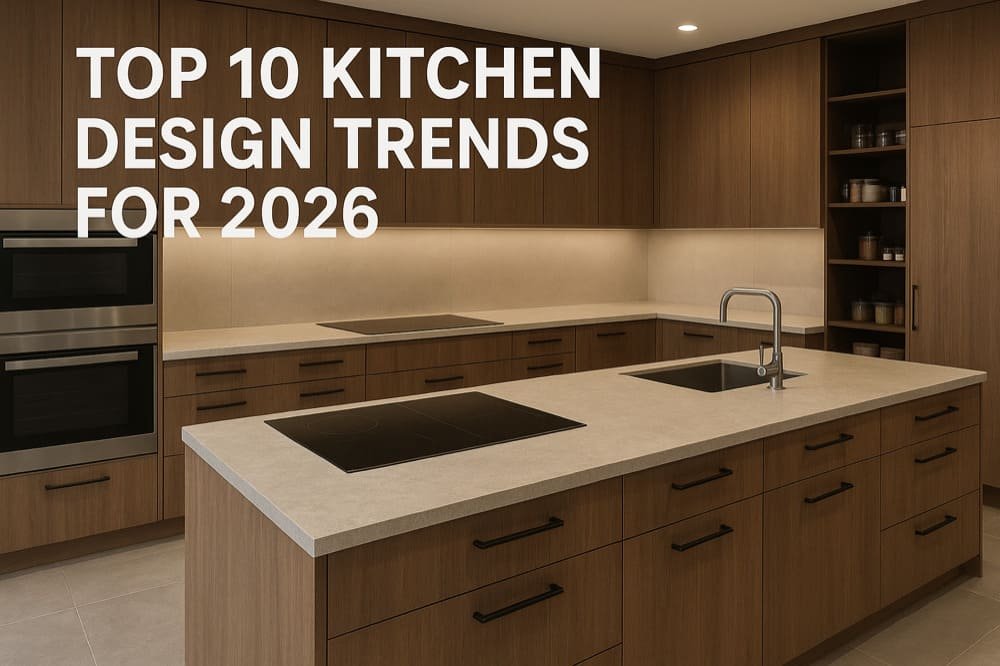
If you manage multi-family or hospitality projects, you’re balancing design appeal with durability, compliance, and cost. Here’s a concise, procurement-ready look at the kitchen design trends 2026 teams can actually deploy at scale—plus specs, certifications, indicative lead times, and risk controls.
- Commercial-grade engineered surfaces (sintered stone & porcelain)
- Induction and integrated low-profile appliances
- Moisture-resistant, low-VOC cabinetry systems
- Heavy-duty hardware and fittings (ANSI/BHMA Grade 1)
- Hygienic, durable sinks & faucets (304 SS; NSF/WRAS)
- Modular sculleries and back-of-house pantries
- Warm palettes & resilient wood-look finishes
- Integrated task and service lighting (ETL/CE)
- Slip-resistant, low-maintenance flooring (PEI/R)
- Sustainable, repairable materials with documented EPD/HPD
1. Commercial-grade engineered surfaces (sintered stone & porcelain slabs)
Positioning: Non-porous, heat/UV/chemical-resistant tops scale well for islands and long runs while controlling maintenance.
Procurement notes: Common slab formats reach 120×320 cm and 160×320 cm with 12–20 mm thickness for tops; cladding often 6–12 mm. Many brands publish EPD/HPD and carry CE marking.
Sourcing Card
- Recommended materials: Sintered stone or large-format porcelain for worktops; matching panels for upstands/splash.
- Key specs: Tops 12–20 mm; confirm edge build-ups; adhesives compatible with sintered stone; specify UV/heat resistance.
- Certifications: CE; environmental docs (EPD/HPD) where available; GREENGUARD Gold for adhesives/caulks used in install.
- Indicative lead times: Sampling 2–4 weeks; production 30–60 days; ocean freight 15–40 days lane-dependent; air 3–10 days.
- Risk checklist: Brittle edges—spec protective profiles; batch color variance—lock dye lots; installer experience; crate/pack to ISTA-style protocols; precise cutout templates.
Evidence: See slab sizing and performance notes via Petrosstone’s sintered stone slab dimensions (2025) and durability/heat-resistance context via Healthy Materials Lab’s countertop collection (2025).
2. Induction and integrated low-profile appliances
Positioning: Energy-efficient, safer cooktops that reduce ventilation loads and heat spill—aligned with electrification and IAQ goals.
Procurement notes: Favor serviceable models with bridge zones and documented parts availability; pair with high-capture hoods or downdraft systems where required.
Sourcing Card
- Recommended materials: Induction hobs; compatible cookware for extended-stay; compact, high-capture ventilation.
- Key specs: kW per zone; EM noise compliance; spare parts/warranty terms; integrated controls; easy access for service.
- Certifications: UL/ETL (North America); CE (EU); energy labels per jurisdiction.
- Indicative lead times: Sampling 2–3 weeks; production 30–60 days; freight per lane.
- Risk checklist: Electrical capacity upgrades; cookware compatibility; training; acoustic comfort; spare-parts stocking.
Evidence: Market adoption and operational benefits summarized in HotelsMag’s coverage on modern equipment reshaping hotel operations (2025) and procurement context for hospitality equipment in Crosbys’ 2025 hospitality trends.
3. Moisture-resistant, low-VOC cabinetry systems (TSCA/CARB; GREENGUARD)
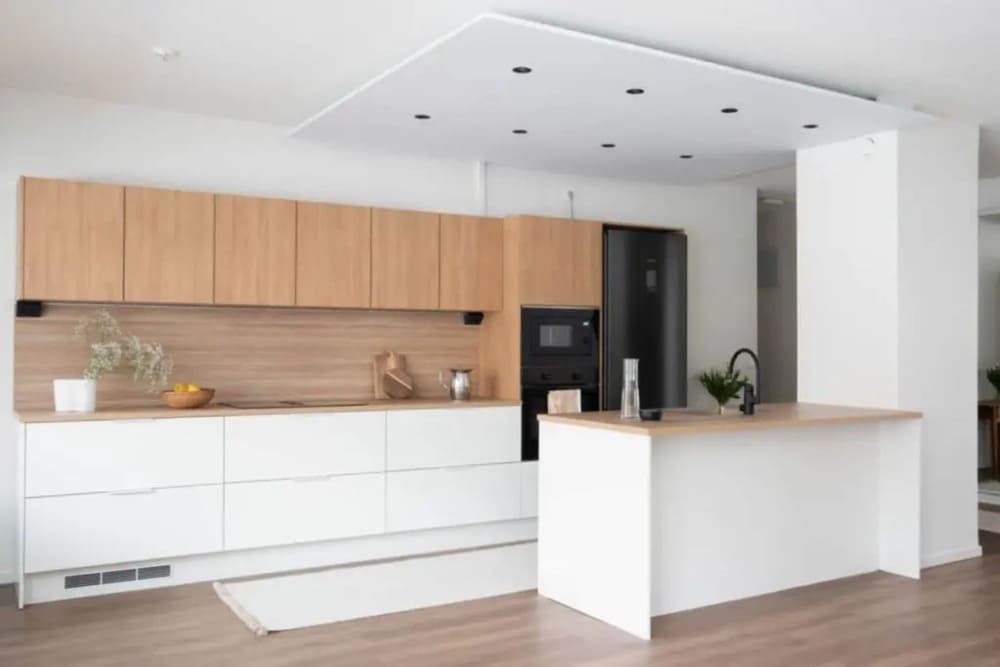
Positioning: Better IAQ and longer service life through compliant substrates and durable, cleanable finishes.
Procurement notes: Specify plywood boxes, MR MDF fronts (away from wet zones), and HPL/melamine interiors; confirm emissions documentation and finish curing.
Sourcing Card
- Recommended materials: Plywood cabinet boxes; MR MDF painted fronts; HPL/melamine interiors.
- Key specs: Box thickness 15–18 mm; moisture resistance; low-emitting adhesives; sealed edges.
- Certifications: TSCA Title VI/CARB Phase 2; GREENGUARD Gold for finishes/adhesives; optional FSC/PEFC chain-of-custody.
- Indicative lead times: Sampling 2–3 weeks; production 30–60+ days (finish-dependent); ocean transit per lane.
- Risk checklist: Batch color match; finish curing; humidity acclimation on site; verify TPC certificates and mill IDs.
Evidence: Emission limits and compliance basics summarized by KCMA’s TSCA/CARB guidance (2025) and GREENGUARD Gold overview via BuildDirect’s explainer (2025).
4. Heavy-duty hardware and fittings (ANSI/BHMA Grade 1)
Positioning: Drawer slides and hinges that survive high cycles and loads reduce field service and downtime.
Procurement notes: Grade 1 indicates the highest performance in ANSI/BHMA grading; confirm cycle/load data on spec sheets.
Sourcing Card
- Recommended materials: Undermount slides 90–130 lb dynamic ratings; soft-close; Grade 1 hinges for guest-exposed and BOH.
- Key specs: Cycle life ≥50,000+ (slides; often higher on hinges); corrosion resistance; repair kits; moisture-tolerant finishes.
- Certifications: ANSI/BHMA grade IDs; KCMA for cabinet assemblies where relevant.
- Indicative lead times: Sampling 1–2 weeks; production 30–45 days; freight per lane.
- Risk checklist: Load mis-spec; wrong slide length; poor mounting in composite substrates; confirm grade on datasheets.
Evidence: Hardware performance context via DesignNews on Grade 1 institutional hinges (2025) and product grading references such as Knape & Vogt’s catalog.
5. Hygienic, durable sinks & faucets (304 SS; NSF/WRAS)
Positioning: Corrosion-resistant sinks and certified faucets protect water quality and stand up to heavy use.
Procurement notes: Specify 16–18 gauge 304 stainless sinks, low-lead brass faucets, and cartridge cycle-life ratings; check local code for WRAS in UK projects.
Sourcing Card
- Recommended materials: 304 SS sinks; lead-free brass faucets; durable finishes; sound-deadening pads.
- Key specs: Gauge (16–18); radius corners for cleaning; cartridge cycle-life; splash control.
- Certifications: NSF/ANSI 61 and 372 (US/Canada); WRAS (UK); optional WaterSense.
- Indicative lead times: Sampling 1–3 weeks; production 30–45 days; freight per lane.
- Risk checklist: Component vs assembly certification scope; low-lead documentation; harsh cleaner damage; install sealant selection.
Evidence: Certification scope and low-lead thresholds outlined by Merit Brass’ overview of NSF/ANSI 61 vs 372 (2025) and EPA’s standards usage context in Using standards to improve water quality (2025).
6. Modular sculleries and back-of-house pantries
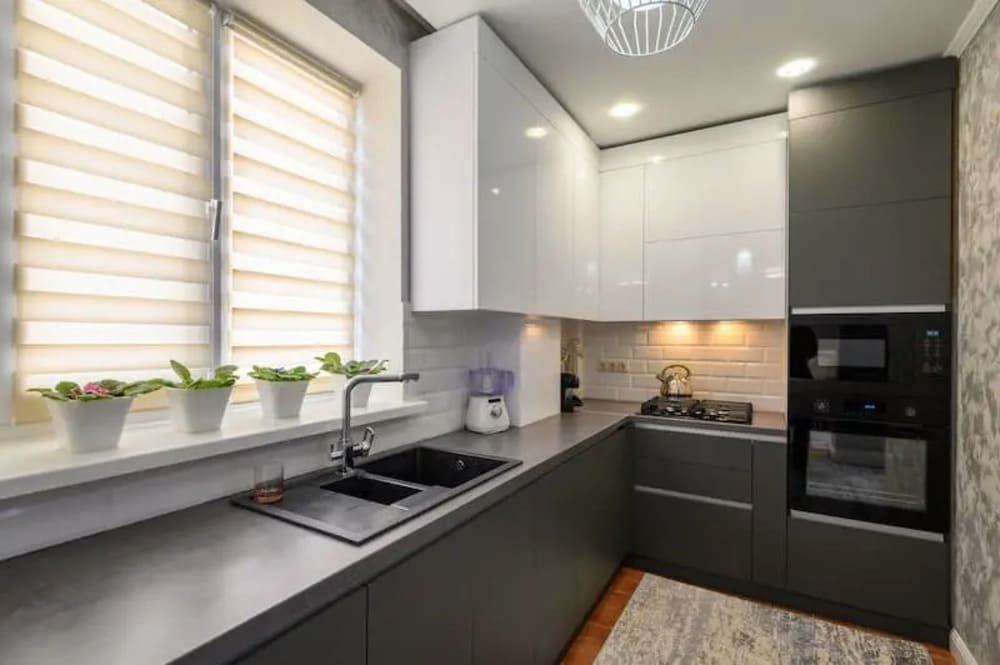
Positioning: Operational zoning boosts throughput and cleanliness—decouple show kitchen from prep and cleanup.
Procurement notes: Use modular stainless prep, compact dish stations, durable cabinet interiors, and task lighting; specify NSF where food prep occurs.
Sourcing Card
- Recommended materials: Stainless prep tables; compact scullery modules; melamine/HPL interiors; task luminaires.
- Key specs: Water-resistant surfaces; adequate drainage; accessible storage; acoustic absorption where needed.
- Certifications: NSF (food-zone equipment); UL/ETL/CE for electrified modules.
- Indicative lead times: Sampling 2–3 weeks; production 30–60 days; freight per lane.
- Risk checklist: Workflow bottlenecks; drainage failures; acoustics; insufficient lighting levels.
Evidence: Hospitality operations context in HotelsMag’s modern equipment report (2025) and procurement notes in Crosbys’ hospitality trends.
7. Warm palettes & resilient wood-look finishes (aesthetics aligned with kitchen design trends 2026)
Positioning: Warm neutrals and wood grains continue to dominate; engineered veneers and HPL/LPL keep maintenance low.
Procurement notes: Prioritize abrasion-resistant finishes, robust edge banding (1–2 mm), and low-VOC water-based topcoats.
Sourcing Card
- Recommended materials: Engineered wood veneers; HPL fronts for high-touch zones; melamine interiors.
- Key specs: Abrasion resistance per supplier; edge banding thickness; UV stability; low-VOC topcoats.
- Certifications: TSCA Title VI/CARB; GREENGUARD Gold for coatings.
- Indicative lead times: Sampling 2–3 weeks; production 30–60 days; freight per lane.
- Risk checklist: Grain/batch matching; finish yellowing; corner impact protection.
Evidence: Trend direction corroborated by Decorilla’s kitchen trends 2026 roundup (2025) with procurement-grade finish guidance from cabinetry finish explainers (low-VOC water-based systems).
8. Integrated task and service lighting (ETL/CE) for commercial kitchen design 2026
Positioning: Better visibility and safety with compliant LED task lighting and accessible drivers.
Procurement notes: Look for CRI ≥90 in prep zones, appropriate CCT (2700–4000K), and IP ratings near moisture; ensure drivers and fixtures carry UL/ETL/CE as required.
Sourcing Card
- Recommended materials: LED strips or bars; dimmable drivers; motion sensors for BOH; glare control optics.
- Key specs: CRI ≥90; CCT 2700–4000K; flicker-free drivers; IP ratings near wet zones; driver accessibility.
- Certifications: UL/ETL (NA); CE (EU); RoHS.
- Indicative lead times: Sampling 1–2 weeks; production 30–45 days; freight per lane.
- Risk checklist: Flicker/strobing; heat management; glare; code compliance and inspector access.
Evidence: Certification references via UL Solutions’ UL Mark and ETL Mark overview (2025) to understand compliance markings applicable to lighting drivers and fixtures.
9. Slip-resistant, low-maintenance flooring (PEI/R)
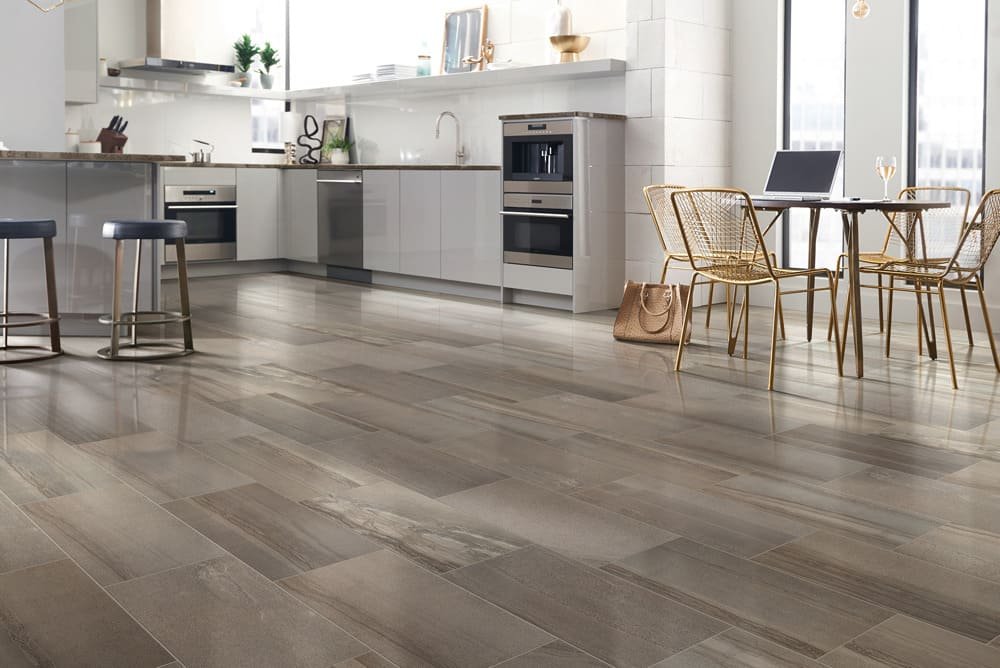
Positioning: Porcelain tile with proper abrasion and slip ratings keeps public/hospitality areas resilient and safe.
Procurement notes: Target PEI 4–5 and R10–R11+ depending on exposure; verify DCOF where code demands; specify epoxy grout for heavy-use zones.
Sourcing Card
- Recommended materials: Porcelain tile ≤0.5% water absorption; textured/structured finishes; epoxy grout.
- Key specs: PEI 4–5; slip class R10–R11+; DCOF per jurisdiction; substrate prep for large formats.
- Certifications: CE; manufacturer test reports; adhesives/grouts with low-VOC claims (e.g., GREENGUARD where applicable).
- Indicative lead times: Sampling 1–2 weeks; production 30–60 days; freight per lane.
- Risk checklist: Wrong slip class for oils/grease; grout staining; lippage; substrate leveling.
Evidence: Wear and slip rating basics summarized by Stone Tile Company’s PEI guide (2025) and Kimgres’ anti-slip ratings explainer.
10. Sustainable, repairable materials with documented EPD/HPD
Positioning: Transparent environmental data and repair-friendly components reduce life-cycle cost and waste.
Procurement notes: Ask for published EPD/HPD, recycled content percentages, and spare-part programs for panels/fronts; design for disassembly where possible.
Sourcing Card
- Recommended materials: Surfaces with EPD/HPD; modular cabinetry with replaceable components; finishes with touch-up kits.
- Key specs: Abrasion/impact resistance; removable panels; documented recycled content; repair pathways.
- Certifications: EPD/HPD; GREENGUARD Gold for finishes/adhesives; FSC for wood inputs.
- Indicative lead times: Sampling 2–4 weeks; production 30–60 days; freight per lane.
- Risk checklist: Greenwash—request third-party docs; verify recycled content; confirm spare-part availability.
Evidence: Environmental documentation practices and healthier surface options summarized by Healthy Materials Lab’s countertop collection (2025).
Procurement-ready checklist for 2026 projects
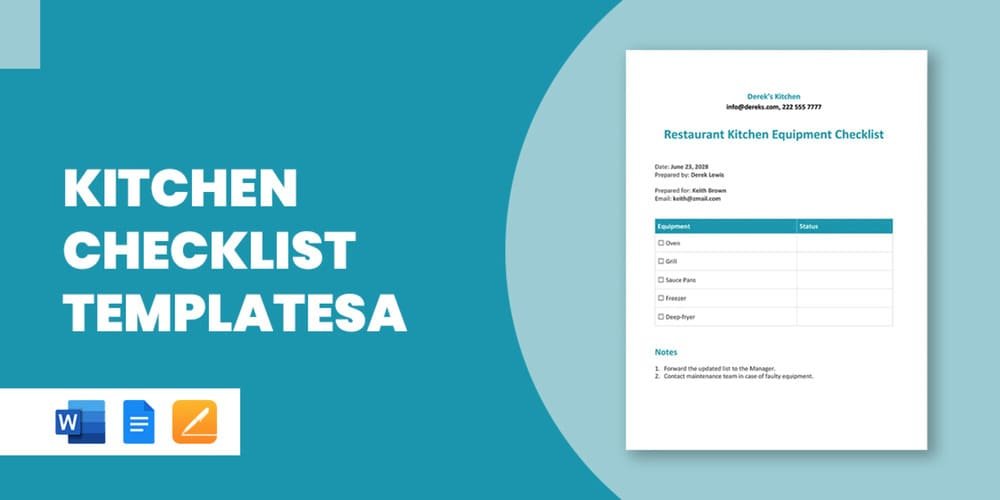
- Define compliance: TSCA Title VI/CARB for composite wood; GREENGUARD Gold for finishes/adhesives; NSF/ANSI 61 & 372 for water-contact products; UL/ETL/CE for electrified components; CE and manufacturer test reports for tiles and slabs.
- Lock specs: Thicknesses (tops 12–20 mm; boxes 15–18 mm); abrasion/slip ratings (PEI 4–5; R10–R11+); hardware grading (ANSI/BHMA Grade 1 where heavy use). Keep a running reference to the kitchen design trends 2026 you’re adopting in each package so spec intent doesn’t drift during VE.
- Plan timelines: Sampling 2–4 weeks; production 30–90 days depending on complexity; inspections 7–20 days; ocean 15–60 days lane-dependent; air 3–10 days door-to-door.
- Control risk: Batch/lot locking; signed shop drawings/CNC templates; AQL inspections; packaging validated to ISTA-style tests; add 2–3 weeks buffer around peak seasons and route disruptions.
Resources & next steps
Disclosure: ChinaBestBuy is our product.
For teams seeking factory-direct, compliant materials with vetted suppliers and English-speaking support, ChinaBestBuy can coordinate multi-material packages and logistics.
Keep comparisons objective — request third-party inspection reports, certification documents, and firm production calendars from any vendor.
Notes on jurisdiction:
Always confirm local code requirements (e.g., DCOF thresholds, WRAS approvals, fire-rating needs) with your AHJ and project specs before ordering.